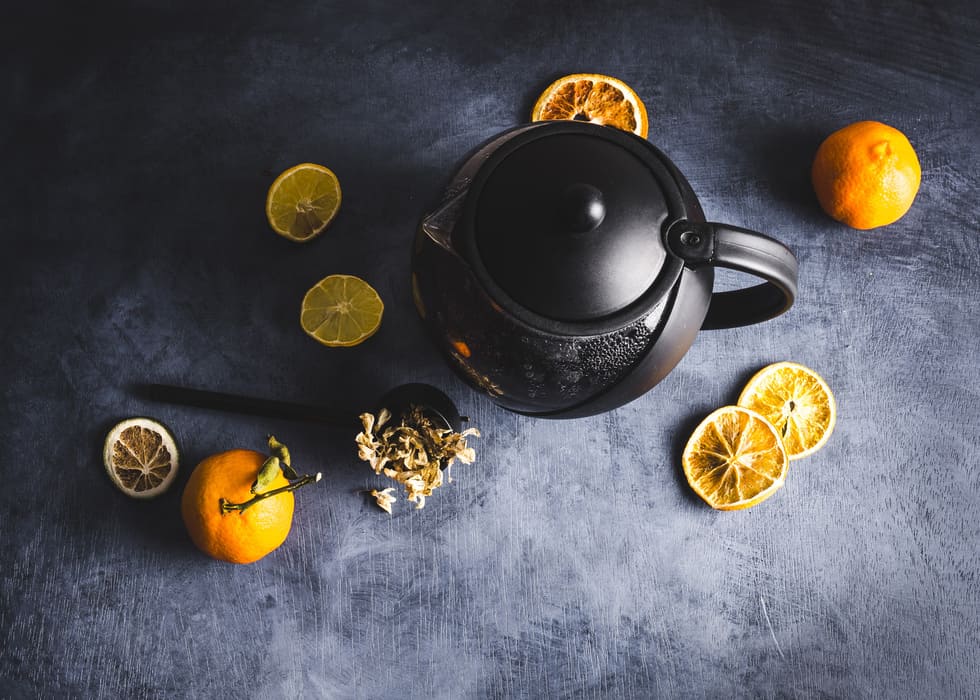
The quality of water you boil has a clear impact on the taste of tea, coffee, and specialty drinks—but fewer people realize that the kettle itself also plays a crucial role. From how fast water heats to how precisely you can pour, every detail influences aroma, clarity, mouthfeel, and even how long your drink stays enjoyable. Choosing the right kettle isn’t just about convenience; it’s about unlocking better flavor from the beans and leaves you already own.
1. Material Matters: Stainless Steel, Glass, or Plastic
The material of your kettle is one of the most underrated flavor factors. Each type interacts differently with heat and, sometimes, with water itself.
- Stainless steel: Durable, retains heat well, and generally doesn’t affect flavor—if you pick high‑quality, food‑grade steel. Cheap steel can develop metallic notes over time, especially if limescale builds up.
- Glass: Inert and flavor-neutral, making it a favorite for purists. You can see when the water boils and when mineral deposits start forming, which helps with maintenance.
- Plastic: Lightweight and often more affordable, but if the plastic is low quality or overheated repeatedly, it may leach odors or faint off‑flavors that become noticeable in delicate teas.
For a clean, consistent taste, prioritize high‑grade stainless steel or glass. Inspect the interior: the fewer seams, adhesives, and plastic parts that directly contact water, the better your drink will taste.
2. Precision Temperature Control Preserves Delicate Flavors
Different drinks bloom at different temperatures. Boiling everything at 100°C (212°F) may be easy, but it’s not ideal for flavor. A kettle with variable temperature control gives you a huge advantage.
- Green tea: 70–80°C (158–176°F) to avoid bitter, grassy notes.
- White tea: 75–85°C (167–185°F) to keep sweetness and floral character.
- Oolong: 85–95°C (185–203°F) for depth without harshness.
- Black tea: 95–100°C (203–212°F) for full extraction and body.
- Specialty coffee: 90–96°C (194–205°F) to balance acidity, sweetness, and body.
A good temperature‑control kettle lets you select exact settings or at least pre‑sets tailored for coffee and tea. This consistency means you’re not guessing each morning, and you can reliably reproduce the same flavor profile every time. When you run a café, coffee cart, or tea shop and need to keep your workflow organized—from brewing schedules to customer documentation—a reliable digital tool like a invoice pdf generator is just as important for back‑end efficiency as a precise kettle is for front‑end flavor consistency.
3. The Impact of Heating Speed and Boil Behavior
Speed isn’t just about convenience. The way a kettle heats water—gradually versus aggressively—can subtly influence perceived flavor and texture.
- Fast, high‑powered kettles: Great when you’re in a rush, but cheap models may overshoot intended temperatures, leading to over‑extraction in tea or coffee. They can also promote more turbulent boiling, which accelerates limescale formation.
- Stable, well‑regulated kettles: Maintain a steady temperature without constant re‑boiling. This reduces the “flat” taste that comes from water being heated again and again throughout the day.
Repeated, aggressive boiling can drive off dissolved gases in water, making your beverage taste dull. A kettle with a “keep warm” function that holds water at your chosen temperature without constant full boils helps protect both flavor and energy usage.
4. Gooseneck vs. Standard Spout: Control in Every Pour
How you pour hot water influences extraction, especially for manual brewing methods like pour‑over coffee, Kalita, Chemex, or delicate teas that benefit from controlled agitation.
- Gooseneck kettles: Designed for precision. The narrow, curved spout lets you control flow rate and direction, allowing you to saturate coffee grounds evenly or gently pour over tea leaves. This leads to more balanced extraction, clearer flavors, and better control over brew time.
- Standard spouts: They pour faster, which is fine for black tea bags or instant drinks, but they can easily cause uneven extraction with specialty coffee or high‑grade loose leaf teas.
If pour‑over coffee or high‑end tea is part of your daily ritual, upgrading to a gooseneck kettle can noticeably improve clarity, sweetness, and overall flavor definition.
5. Interior Coatings, Limescale, and Cleanliness
Even the best kettle will negatively affect flavor if it isn’t clean. Mineral deposits, old water, and residue build‑up all contribute to muted or off flavors.
- Limescale: A chalky, white buildup from hard water. It not only looks unappealing but can make drinks taste flat, dull, or slightly chalky. It also slows heating and stresses the heating element.
- Non‑stick coatings: Convenient for cleaning, but quality varies. Higher‑end coatings are inert, while cheap ones may degrade over time. Scratches can trap residue and affect both flavor and hygiene.
- Exposed vs. concealed elements: Concealed elements (covered by a base plate) are easier to descale and keep clean, which indirectly preserves flavor.
Regular descaling with vinegar or citric acid and rinsing after each use helps ensure the kettle stays neutral in taste. Aim to descale at least once a month—or more often if you have hard water and brew frequently.
6. Capacity and Heat Retention Shape Your Routine
How much you brew at once and how long your water stays hot also influence flavor outcomes.
- Small kettles (0.6–1 L): Ideal for solo drinkers or small households who want fresher water each time. Less water sits around, so you’re less likely to re‑boil and flatten its taste.
- Larger kettles (1.5–2 L+): Great for families, offices, or cafés, but they tempt you to re‑heat old water. When possible, only boil what you need for each brewing session.
- Heat retention: Double‑walled or insulated kettles keep water hot longer without repeated boiling, helping preserve dissolved gases and better flavor.
Align kettle capacity with your typical usage so that every drink is brewed with freshly heated water, not an endless cycle of reheats.
7. Safety and Usability Features That Support Consistency
The more effortless your kettle is to use, the more consistently you’ll use it the right way. Several small features add up to better, more repeatable flavor:
- Automatic shut‑off to prevent burnt flavors from overheating dry kettles.
- Boil‑dry protection to protect your kettle and maintain long‑term performance.
- Comfortable, heat‑resistant handle that encourages steady, controlled pours.
- Clear water level indicators to avoid overfilling and underfilling, both of which can affect heating efficiency and extraction.
Reliability in these areas might not directly change the taste of a single cup, but they help ensure every cup is brewed in a controlled, repeatable way—which is where truly great flavor is born.
Upgrade the Kettle, Upgrade the Cup
Flavor isn’t only about premium beans or rare tea leaves. The kettle you use influences water temperature, purity, pour control, and overall consistency—key variables that determine whether your drink tastes average or exceptional. By choosing a kettle made from high‑quality, neutral materials, with precise temperature control, a suitable spout design, and easy‑to‑maintain interiors, you set the stage for cleaner, sweeter, and more nuanced flavors in every cup.
If you’re serious about improving your daily ritual, consider your kettle as essential brewing equipment, not a background appliance. Match its capacity and features to your habits, keep it clean, and use it thoughtfully. Small adjustments in how you heat and pour water add up to a noticeable improvement—making every mug of coffee or tea feel more like a crafted experience than a rushed routine.